Auto insurance for senior citizens: A Comprehensive Guide

Understanding Auto Insurance for Senior Citizens

Seniors

Auto insurance is a financial product that provides protection against physical damage or bodily injury resulting from traffic collisions and against liability that could also arise from incidents in a vehicle. For senior citizens, auto insurance is crucial as it offers peace of mind and financial security in case of accidents or unforeseen events on the road.

Key Factors Impacting Auto Insurance Rates for Seniors

  • Age: As seniors age, their reflexes and reaction times might slow down, potentially increasing the risk of accidents.
  • Driving Record: A clean driving record with no traffic violations or accidents can help seniors qualify for lower insurance rates.
  • Vehicle: The type of vehicle being insured, its age, safety features, and value can impact insurance premiums for seniors.
  • Location: The area where the senior lives and drives can affect insurance rates due to factors like traffic density and crime rates.
  • Mileage: Seniors who drive less frequently may be eligible for lower rates due to reduced exposure to potential accidents.

Types of Coverage Options for Senior Citizens

  • Liability Coverage: Protects seniors from financial responsibility in case they cause an accident that results in property damage or injuries to others.
  • Collision Coverage: Covers the cost of repairing or replacing the senior’s vehicle in case of a collision with another vehicle or object.
  • Comprehensive Coverage: Provides coverage for damages not caused by a collision, such as theft, vandalism, or natural disasters.
  • Medical Payments Coverage: Helps cover medical expenses for injuries sustained by the senior or their passengers in an accident.
  • Uninsured/Underinsured Motorist Coverage: Protects seniors in case they are involved in an accident with a driver who has inadequate insurance or no insurance at all.

Eligibility and Requirements

When it comes to auto insurance for senior citizens, there are specific eligibility requirements and documentation needed to apply for coverage.

Age Requirements

In most cases, senior citizens are eligible for certain auto insurance benefits once they reach the age of 65. However, the exact age requirements can vary depending on the insurance provider and the specific benefits being sought. It’s important to check with the insurance company to determine the age at which you qualify for senior benefits.

Documentation and Information

When applying for auto insurance as a senior citizen, you will typically need to provide documentation such as your driver’s license, vehicle registration, and proof of insurance history. Additionally, you may be asked to provide information about your driving record, any recent accidents or violations, and the make and model of your vehicle.

It’s important to have this information readily available when applying for auto insurance.

Special Considerations

Senior citizens may be eligible for certain exemptions or discounts when it comes to auto insurance. Some insurance providers offer special rates for seniors who have completed a safe driving course or have a clean driving record. Additionally, some states have specific regulations in place that protect senior drivers, such as limiting the amount that insurance companies can increase rates based on age.

It’s important to research and inquire about any special considerations or exemptions that may apply to senior citizens seeking auto insurance coverage.

Cost-saving Tips for Senior Citizens

Car insurance citizen senior elderly

Senior citizens can take advantage of various strategies to lower their auto insurance premiums. By exploring different discounts offered by insurance providers and maintaining a good driving record, seniors can potentially save money on their car insurance.

Discounts Available for Senior Citizens

  • Senior Driver Discount: Many insurance companies offer discounts specifically for senior citizens who have completed a defensive driving course or meet certain age requirements.
  • Low Mileage Discount: Seniors who do not drive frequently may qualify for a low mileage discount, as they are considered to be at lower risk for accidents.
  • Bundling Discounts: Combining auto insurance with other policies, such as homeowners or renters insurance, can often lead to additional savings for seniors.

Impact of Maintaining a Good Driving Record

  • Safe Driving Habits: By avoiding accidents and traffic violations, senior citizens can demonstrate responsible driving behavior and qualify for lower insurance rates.
  • Accident-Free Discounts: Insurance providers may offer discounts to seniors who have not been involved in any accidents for a certain period of time, rewarding them for their safe driving record.

Special Considerations for Senior Drivers

As senior citizens age, there are specific considerations that come into play when it comes to obtaining auto insurance. These factors can impact the rates they are offered and the coverage they are eligible for. It is important for senior drivers to be aware of these considerations to ensure they are adequately protected on the road.

Challenges Faced by Senior Drivers

  • Age-related physical limitations can affect driving abilities, leading to higher risk on the road.
  • Some insurance companies may view senior drivers as higher risk due to slower reflexes and potential health issues.
  • Insurance rates for seniors may increase as they age, especially if they have a history of accidents or violations.

Importance of Regular Health Check-ups

Regular health check-ups are crucial for senior drivers as they can impact auto insurance rates. By maintaining good health and addressing any medical issues promptly, seniors can demonstrate that they are fit to drive safely. This can lead to lower insurance premiums and better coverage options.

Tips for Seniors to Stay Safe on the Road

  • Stay up to date with vision and hearing tests to ensure optimal driving conditions.
  • Avoid driving during peak traffic hours or inclement weather conditions to reduce the risk of accidents.
  • Consider taking a defensive driving course to refresh skills and stay informed about safe driving practices.
  • Limit distractions in the car, such as using mobile devices or eating while driving, to maintain focus on the road.

Outcome Summary

In conclusion, navigating the realm of auto insurance for senior citizens requires attention to detail and a keen understanding of the unique factors at play. By following the tips and insights shared in this guide, senior drivers can make informed decisions to protect themselves on the road.

Stay safe, stay covered.

Common Queries

What factors impact auto insurance rates for seniors?

The key factors include age, driving history, type of coverage, and the insurance provider.

Are there specific discounts available for senior citizens?

Yes, many insurance companies offer discounts for seniors, such as safe driver discounts and low-mileage discounts.

How can seniors lower their auto insurance premiums?

Seniors can lower premiums by maintaining a clean driving record, choosing higher deductibles, and taking advantage of available discounts.

Title: Protect Your Home with Comprehensive Water Damage Coverage in Your Home Insurance

Importance of Water Damage Coverage in Home Insurance

Flood homeowners

Water damage coverage in home insurance is crucial for protecting your property and finances in case of unexpected incidents. Without this coverage, homeowners may face significant financial burdens and stress when dealing with water-related damages.

Common Water Damage Incidents Covered

  • Leaking or burst pipes
  • Flooding from natural disasters
  • Accidental overflow from appliances
  • Roof leaks

Financial Implications of Not Having Water Damage Coverage

Not having water damage coverage can result in expensive repairs and restoration costs that can quickly add up. Homeowners may also have to bear the brunt of these costs out of pocket, leading to financial strain and potential difficulty in recovering from the damages.

Types of Water Damage Covered by Home Insurance

When it comes to water damage coverage in home insurance policies, it’s essential to understand the different types of water damage that are typically covered. Here, we will delve into the specifics of what is included under this coverage and the limitations you may encounter.

Sudden Water Damage

  • One of the most common types of water damage covered by home insurance is sudden water damage. This includes incidents like burst pipes, overflowing appliances, or accidental leaks.
  • Insurance policies usually cover the cost of repairing the damage caused by sudden water events, including water extraction, drying, and restoration of affected areas.
  • It’s important to report sudden water damage to your insurance company as soon as possible to initiate the claims process and prevent further damage.

Gradual Water Damage

  • In contrast to sudden water damage, gradual water damage refers to slow leaks or seepage that occurs over time, leading to mold growth or structural damage.
  • Standard home insurance policies may not cover gradual water damage, as it is often considered a maintenance issue rather than a sudden unforeseen event.
  • Homeowners are responsible for regularly inspecting their property for signs of gradual water damage and addressing any issues promptly to prevent extensive damage.

Limitations of Water Damage Coverage

  • While home insurance provides coverage for certain types of water damage, there are limitations to consider. For example, most policies do not cover flood damage, which requires a separate flood insurance policy.
  • Additionally, coverage may be limited for water damage caused by negligence or lack of maintenance. It’s crucial to understand the exclusions and limitations of your policy to ensure you have adequate coverage.
  • Reviewing your policy annually and discussing any changes or additional coverage options with your insurance provider can help ensure you are adequately protected against water damage.

Factors Affecting Water Damage Coverage

When it comes to water damage coverage in home insurance policies, there are several factors that can influence the extent of coverage provided. Understanding these factors is crucial for homeowners to ensure they have adequate protection in case of water-related incidents.

Location

The location of a home can have a significant impact on the water damage coverage available in an insurance policy. Homes located in areas prone to flooding or near bodies of water may have limited coverage for water damage. It’s important for homeowners in high-risk areas to consider additional flood insurance to supplement their standard coverage.

Home Age

The age of a home can also affect water damage coverage. Older homes may have outdated plumbing systems or infrastructure that could increase the risk of water damage. Insurance companies may offer different coverage options based on the age of the home, so it’s important for homeowners of older properties to review their policies regularly and make necessary updates.

Maintenance Practices

The maintenance practices of a homeowner can impact water damage coverage as well. Regular maintenance of plumbing systems, roof, and foundation can help prevent water damage incidents. Insurance companies may offer discounts or better coverage options for homeowners who demonstrate proactive maintenance practices.

It’s essential for homeowners to keep up with regular home maintenance to minimize the risk of water damage and ensure adequate coverage.

Claim Process for Water Damage in Home Insurance

Water damage insurance released today informative aviva second few even tips ca

When faced with water damage in your home, it is crucial to understand the steps involved in filing a claim with your insurance company. Proper documentation and reporting of the damage are essential to ensure a smooth claims process. However, homeowners may encounter challenges or pitfalls along the way, which is why being informed about the claim process is vital.

Documenting and Reporting Water Damage

  • As soon as you discover water damage in your home, document the extent of the damage by taking photos or videos. This visual evidence will support your claim later on.
  • Make a detailed list of all damaged items and property affected by the water, including any structural damage.
  • Contact your insurance company promptly to report the water damage and initiate the claims process. Be prepared to provide all necessary information, such as policy details and documentation of the damage.
  • Cooperate with the insurance company’s adjuster who will assess the damage and determine the coverage applicable to your policy.

Common Challenges in the Claims Process

  • Delays in processing claims can occur due to a high volume of claims during natural disasters or emergencies. Patience and timely communication with your insurance company are key.
  • Disputes over coverage may arise if the cause of the water damage is not clearly defined in your policy. Understanding your policy coverage and exclusions is essential to avoid any misunderstandings.
  • Inadequate documentation or incomplete information provided to the insurance company can lead to claim denials or delays. Ensure all details are accurately recorded and submitted for a successful claim.
  • Working with reputable contractors and restoration professionals is crucial to ensure the damage is properly assessed and repaired. Be cautious of fraudulent or unlicensed individuals offering repair services.

Final Thoughts

In conclusion, safeguarding your home with adequate water damage coverage is a crucial step in protecting your investment. By understanding the types of coverage available, factors influencing coverage, and the claims process involved, you can make informed decisions to mitigate risks and secure your property.

Stay informed, stay protected.

Detailed FAQs

What does water damage coverage in home insurance typically include?

Water damage coverage usually includes incidents like burst pipes, leaking appliances, or roof leaks, among others.

Is gradual water damage covered by standard home insurance policies?

Gradual water damage is often not covered by standard policies as they are considered maintenance-related issues.

How can homeowners enhance their water damage coverage?

Homeowners can enhance their coverage by installing water leak detection systems, maintaining their plumbing, and ensuring proper drainage around the property.

What are the common challenges homeowners face during the water damage claims process?

Common challenges include documenting the damage effectively, dealing with adjusters, and understanding policy limitations.

Crafting the Perfect Title: Liability Insurance for Small Business

Overview of Liability Insurance for Small Business

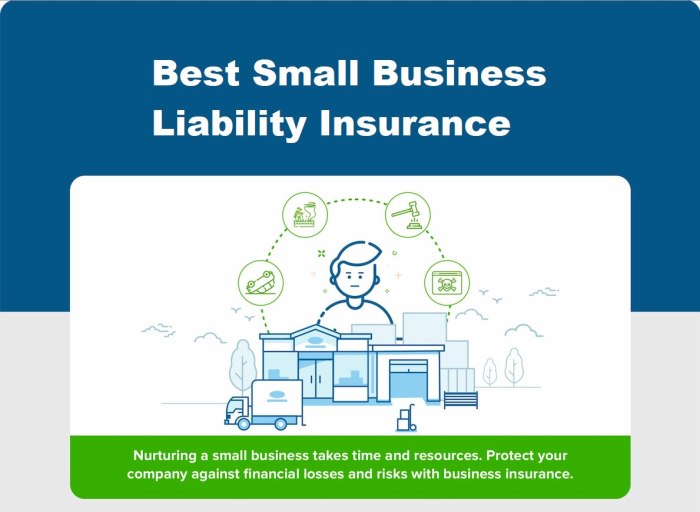
Liability insurance is a type of insurance coverage that helps protect small businesses from the risk of being held legally liable for bodily injury, property damage, or other incidents that may occur during the course of business operations. It is important for small businesses to have liability insurance to safeguard their assets and minimize financial risk in case of unexpected events.

Types of Liability Insurance for Small Businesses

  • General Liability Insurance: This type of insurance provides coverage for claims related to bodily injury, property damage, advertising injury, and personal injury that occur on the business premises or as a result of business operations.
  • Professional Liability Insurance: Also known as Errors and Omissions Insurance, this coverage protects businesses from claims of negligence or failure to perform professional services.
  • Product Liability Insurance: This type of insurance covers businesses that manufacture, distribute, or sell products in case a product causes harm or injury to a consumer.

Importance of Liability Insurance Coverage

Liability insurance coverage is crucial for small businesses to protect themselves from potential financial risks and legal issues.

Risks Faced Without Liability Insurance

Without liability insurance, small businesses are vulnerable to lawsuits, claims, and costly legal expenses. In the event of accidents, injuries, property damage, or negligence, businesses can face severe financial repercussions.

Cost Comparison with and Without Insurance Coverage

Statistics show that the costs of liability claims can be significantly higher for businesses without insurance coverage. The expenses related to legal fees, settlements, and damages can easily bankrupt a small business that is not adequately insured.

Number of Small Businesses Facing Liability Claims Annually

Each year, a significant number of small businesses face liability claims that can threaten their financial stability and reputation. It is essential for small business owners to understand the risks involved and the importance of having liability insurance coverage to safeguard their businesses.

Types of Liability Insurance Policies

Liability insurance for small businesses comes in different forms to provide coverage for various risks. Understanding the differences between general liability, professional liability, and product liability insurance is crucial for businesses to choose the right policy that suits their needs.

General Liability Insurance

General liability insurance protects businesses from claims related to bodily injury, property damage, and advertising mistakes. For example, if a customer slips and falls in your store, this policy would cover their medical expenses and any legal fees if they decide to sue.

Professional Liability Insurance

Professional liability insurance, also known as errors and omissions insurance, is essential for businesses that provide services or advice. This policy covers claims of negligence, errors, or omissions in the services provided. For instance, if a client claims financial losses due to your advice, this insurance would cover legal costs and settlements.

Product Liability Insurance

Product liability insurance is crucial for businesses that manufacture, distribute, or sell products. This policy protects against claims of injury or property damage caused by a faulty product. For example, if a customer gets sick from consuming a product you sell, this insurance would cover legal expenses and any settlements.

Determining the Suitable Type of Liability Insurance

Small businesses can determine the appropriate type of liability insurance by assessing their specific risks and operations. For instance, a retail business with a physical store may prioritize general liability insurance to protect against slip and fall accidents, while a consulting firm may opt for professional liability insurance to cover potential errors in their services.

Factors to Consider When Choosing Liability Insurance

Insurance liability

When selecting liability insurance for a small business, there are several key factors that should be taken into consideration to ensure adequate coverage and protection. The size and nature of the business, as well as the industry in which it operates, can all impact the type of liability insurance that is most suitable.

Size of the Business

  • Consider the size of your business in terms of revenue, number of employees, and physical locations.
  • Smaller businesses may opt for general liability insurance, while larger businesses may require additional coverage such as professional liability or product liability insurance.
  • Assess the potential risks and liabilities specific to the size of your business to determine the appropriate coverage.

Nature of the Business

  • Understand the unique risks associated with your industry or the services/products your business provides.
  • For example, a construction business may need coverage for property damage or bodily injury, while a tech startup may require cyber liability insurance.
  • Customize your liability insurance policy to address the specific risks inherent in your business operations.

Industry-Specific Considerations

  • Research the liability requirements and standards within your industry to ensure compliance with regulations.
  • Some industries, such as healthcare or legal services, may have specialized liability insurance needs due to the nature of their work.
  • Consult with insurance providers who have experience working with businesses in your industry to tailor the right coverage.

Ending Remarks

In conclusion, navigating the realm of liability insurance for small businesses is a strategic move that can safeguard your venture’s future. With the right coverage in place, you can mitigate risks and ensure smooth operations in an ever-changing business landscape.

Query Resolution

What does liability insurance cover?

Liability insurance typically covers legal costs, compensation payments, and medical expenses that arise if someone sues your business for injury or property damage.

Is liability insurance mandatory for small businesses?

While it’s not always legally required, liability insurance is highly recommended for small businesses to protect against potential financial losses.

What factors should small businesses consider when selecting liability insurance?

Key factors to consider include the nature of your business, the level of risk involved, and the industry standards for insurance coverage.

Best Travel Insurance for International Trips: A Comprehensive Guide

Introduction to Travel Insurance

Travel insurance is a crucial component of planning for any international trip. It provides financial protection and peace of mind in case of unexpected events or emergencies while traveling abroad. Here are some key benefits of having travel insurance:

Financial Coverage

  • Medical emergencies: Travel insurance covers medical expenses such as hospitalization, doctor visits, and emergency medical evacuation.
  • Trip cancellation or interruption: If your trip gets canceled or cut short due to unforeseen circumstances like illness, natural disasters, or airline strikes, travel insurance can reimburse you for the non-refundable costs.
  • Lost or delayed baggage: Travel insurance can provide compensation for lost or delayed luggage, helping you replace essential items during your trip.

Assistance Services

  • 24/7 emergency assistance: Many travel insurance policies offer round-the-clock assistance for medical emergencies, travel advice, or help with lost documents.
  • Legal assistance: In case of legal issues abroad, travel insurance can provide access to legal services and guidance.

Peace of Mind

  • Travel insurance gives you peace of mind knowing that you are financially protected in case of unexpected events during your international trip.
  • It allows you to enjoy your travels without worrying about potential financial losses or emergencies.

Types of Coverage

Travel insurance offers various types of coverage to protect travelers in different situations. One of the key aspects of travel insurance is providing coverage for medical emergencies, evacuation, trip cancellations, and interruptions.

Medical Emergencies and Evacuation

Travel insurance typically covers medical expenses incurred during a trip due to illness or injury. This can include hospital stays, doctor visits, prescription medications, and emergency medical transportation. In the event of a serious medical emergency that requires evacuation to a different location or back home, travel insurance can help cover the costs involved in transporting the traveler to a suitable medical facility.

Trip Cancellations and Interruptions

Another important aspect of travel insurance is coverage for trip cancellations and interruptions. This can protect travelers from financial losses if they need to cancel their trip due to unforeseen circumstances, such as illness, natural disasters, or other emergencies. Travel insurance can also provide reimbursement for non-refundable expenses, such as flights, accommodations, and tour bookings, in case the trip is interrupted or cut short.

Factors to Consider

Further

When choosing the best travel insurance for international trips, there are several important factors to consider to ensure you have adequate coverage and protection during your travels. It’s essential to compare coverage limits, deductibles, and check for coverage of pre-existing conditions.

Comparison of Coverage Limits and Deductibles

When selecting a travel insurance plan, it is crucial to compare the coverage limits and deductibles offered by different insurance providers. Coverage limits refer to the maximum amount the insurance company will pay for covered expenses, while deductibles are the amount you must pay out of pocket before the insurance coverage kicks in.

Make sure to choose a plan with adequate coverage limits that align with your travel needs and budget. Additionally, consider the deductible amount and choose a plan that offers a deductible you can comfortably afford in case of an emergency.

Importance of Checking Coverage for Pre-Existing Conditions

If you have any pre-existing medical conditions, it is vital to check if the travel insurance plan provides coverage for these conditions. Some insurance plans may exclude coverage for pre-existing conditions, while others may offer coverage with certain restrictions or additional premiums.

It is crucial to disclose all pre-existing conditions when purchasing travel insurance to ensure you are fully covered in case of any medical emergencies related to your existing health conditions. Failure to disclose pre-existing conditions accurately could result in denial of coverage when you need it the most.

Top Providers

When it comes to choosing the best travel insurance for international trips, it’s essential to consider the reputation, coverage options, and cost of different providers. Here are some of the top travel insurance companies that offer coverage for international travel.

Allianz Global Assistance

Allianz Global Assistance is a well-known travel insurance provider that offers a range of comprehensive plans for international trips. Their plans typically include coverage for trip cancellations, medical emergencies, and baggage loss. Customers appreciate their responsive customer service and efficient claims process.

World Nomads

World Nomads is a popular choice for adventurous travelers seeking travel insurance for international trips. Their plans are designed for backpackers, adventure seekers, and digital nomads, offering coverage for activities like hiking, scuba diving, and more. Customers praise their flexible policies and easy online claims process.

Travelex Insurance Services

Travelex Insurance Services is another top provider of travel insurance for international trips. They offer a variety of plans with different levels of coverage to suit individual needs and budgets. Customers value their competitive prices and reliable coverage options.

AXA Assistance USA

AXA Assistance USA is a trusted travel insurance provider known for its extensive network of assistance services worldwide. Their plans often include coverage for medical emergencies, trip interruptions, and emergency medical transportation. Customers appreciate their 24/7 support and efficient claims handling.

AIG Travel Guard

AIG Travel Guard is a leading travel insurance company that offers a wide range of plans for international travel. Their policies typically cover trip cancellations, medical emergencies, and travel delays. Customers benefit from their customizable plans and excellent customer service.

Wrap-Up

Accident growth kharkiv travels strategies expansion entrepreneurs expected cracks irdai curbs booking portals imposes

In conclusion, having the best travel insurance for international trips is not just a safety net but a smart investment in your travel adventures. With a myriad of options available, understanding the key factors and top providers can make all the difference in your travel planning.

Stay informed, stay protected, and enjoy your travels to the fullest!

FAQ

What is the importance of travel insurance for international trips?

Travel insurance provides financial protection in case of emergencies, such as medical issues, trip cancellations, or lost luggage, ensuring peace of mind during your travels.

How do I choose the best travel insurance for international trips?

Consider factors like coverage limits, deductibles, pre-existing condition coverage, and compare offerings from different providers to find the most suitable option for your needs.

Can travel insurance cover pre-existing medical conditions?

Some insurance plans offer coverage for pre-existing conditions, but it’s crucial to check the policy details and exclusions to ensure you have the necessary coverage.

Which are some of the top travel insurance providers for international trips?

Popular travel insurance providers include XYZ Insurance, ABC Travel Guard, and PQR World Coverage, each offering unique benefits and coverage options for international travel.