How to Invest in the Nikkei 225: A Comprehensive Guide

Overview of Nikkei 225

The Nikkei 225 is one of the most prominent stock market indices in the world, representing the top 225 blue-chip companies listed on the Tokyo Stock Exchange. It is considered a key indicator of the Japanese economy and is closely watched by investors globally.

History and Composition

The Nikkei 225 was first introduced in 1950 and has since become a vital benchmark for Japanese equities. The index is weighted based on stock prices rather than market capitalization, with a focus on large, well-established companies across various sectors such as automotive, technology, and finance.

Investor Interest

Investors are drawn to the Nikkei 225 for several reasons. Firstly, it offers exposure to a diverse range of industries within the Japanese market, allowing for broad market participation. Additionally, the index has historically shown strong growth potential, making it an attractive option for those seeking long-term investment opportunities in Japan.

Ways to Invest in Nikkei 225

Nikkei

Investing in the Nikkei 225 can be done through various methods, each with its own set of risks and benefits. Let’s explore the different ways investors can gain exposure to this index.

Investing Directly in Individual Stocks

Investors have the option to directly invest in individual stocks that are part of the Nikkei 225 index. By purchasing shares of specific companies listed on the Nikkei, investors can have targeted exposure to those particular companies. This method allows for more control over the investment portfolio and the ability to select specific companies based on individual research and analysis.

Using Exchange-Traded Funds (ETFs) that Track the Nikkei 225

Another way to invest in the Nikkei 225 is through exchange-traded funds (ETFs) that are designed to track the performance of the index. ETFs offer diversification across multiple companies within the index, providing a more balanced approach to investing in the Japanese market.

Investing in ETFs can be a more cost-effective and convenient way to gain exposure to the Nikkei 225 compared to buying individual stocks.

Potential Risks and Benefits

When investing in the Nikkei 225, there are both risks and benefits to consider. Investing directly in individual stocks can lead to higher potential returns if the selected companies perform well, but it also comes with higher risk due to the concentrated exposure to specific companies.

On the other hand, investing in ETFs that track the Nikkei 225 offers diversification and lower risk compared to individual stock picking, but it may limit the potential for outsized returns.In conclusion, the choice between investing directly in individual stocks or using ETFs to access the Nikkei 225 depends on the investor’s risk tolerance, investment goals, and level of involvement in managing their portfolio.

Both methods have their advantages and disadvantages, so it’s essential for investors to carefully consider their options before making investment decisions in the Nikkei 225.

Factors to Consider Before Investing
Nikkei plaza investi poti indicele cum exchange turkcewiki reviewed

Before diving into investing in the Nikkei 225, there are several key factors that investors should carefully consider to make informed decisions and manage risks effectively.

Economic Conditions

Economic conditions play a crucial role in the performance of the Nikkei 225. Factors such as GDP growth, inflation rates, interest rates, and unemployment levels can directly impact stock prices. Investors should closely monitor economic indicators and trends to anticipate market movements and adjust their investment strategies accordingly.

Market Trends

Analyzing market trends is essential for successful investing in the Nikkei 225. Understanding historical price movements, trading volumes, and market sentiment can help investors identify potential opportunities and risks. By staying informed about market trends, investors can make more informed decisions and mitigate potential losses.

Geopolitical Events

Geopolitical events, such as political instability, trade wars, and natural disasters, can have a significant impact on the Nikkei 225 and global financial markets. These events can create volatility and uncertainty, affecting stock prices and investor sentiment. It is essential for investors to stay updated on geopolitical developments and assess their potential implications on the Nikkei 225 before making investment decisions.

Diversification and Risk Management

Diversification is a fundamental strategy to reduce risk and enhance returns when investing in the Nikkei 225. By spreading investments across different sectors, industries, and asset classes, investors can minimize the impact of volatility in any single stock or market segment.

Additionally, implementing risk management strategies, such as setting stop-loss orders and maintaining a well-balanced portfolio, can help investors protect their capital and optimize their investment outcomes.

Market Analysis and Performance

When it comes to investing in the Nikkei 225 index, understanding its historical performance is crucial for making informed decisions. By analyzing market data and trends, investors can gain insights into the potential risks and opportunities associated with this index.

Historical Performance of Nikkei 225

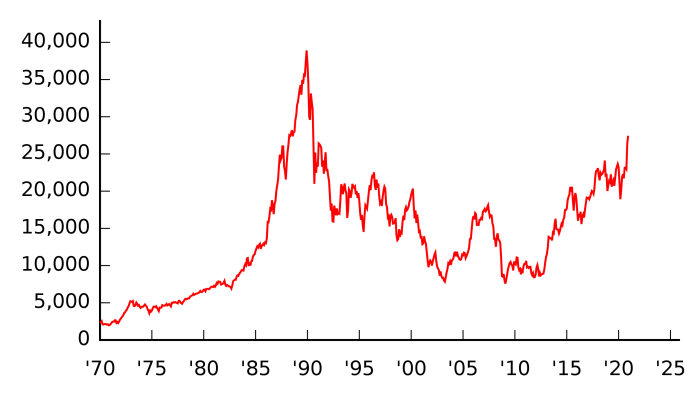
  • The Nikkei 225 index was first introduced in 1950 with a base value of 176.21.
  • Over the years, the index has experienced significant fluctuations due to various economic and geopolitical events.
  • One of the most notable moments in Nikkei 225 history was the peak in 1989 when it reached an all-time high of 38,916 points, followed by a prolonged period of decline known as the “Lost Decade.”
  • Since then, the index has shown resilience and has gradually recovered, reflecting Japan’s economic growth and stability.

Interpreting Market Data and Trends

  • Investors can use technical analysis tools such as moving averages, MACD, and RSI to identify trends and patterns in the Nikkei 225 index.
  • Fundamental analysis, on the other hand, involves examining economic indicators, company performance, and market sentiment to gauge the overall health of the index.
  • By combining these analytical approaches, investors can make more informed decisions about when to buy or sell Nikkei 225-related assets.

External Factors Impacting Nikkei 225

  • Interest rates: Changes in interest rates set by the Bank of Japan can influence investor sentiment and the overall performance of the Nikkei 225.
  • Inflation: Rising inflation rates may erode purchasing power and affect consumer spending, which in turn can impact the companies listed on the index.
  • Currency fluctuations: The value of the Japanese yen relative to other currencies can impact the profitability of export-oriented companies within the Nikkei 225.

Outcome Summary

In conclusion, mastering the art of investing in the Nikkei 225 can open doors to a world of financial possibilities. By understanding the key factors and strategies discussed, you can navigate this market with confidence and foresight. Start your journey towards financial success today with Nikkei 225 investment.

General Inquiries

How can I start investing in the Nikkei 225?

To invest in the Nikkei 225, you can either buy individual stocks listed in the index or invest in ETFs that track its performance.

What are the risks associated with investing in the Nikkei 225?

Some risks include market volatility, geopolitical events, and economic downturns that can affect the index’s performance.

Why is diversification important when investing in the Nikkei 225?

Diversification helps spread risk across different assets, reducing the impact of a single asset’s poor performance on your overall investment.

How to Invest in the Stock Market: A Comprehensive Guide

Understanding Stock Market Basics

The stock market is a platform where investors can buy and sell ownership shares of publicly traded companies. These shares are known as stocks, and owning them gives investors a stake in the company’s profits and losses. The stock market functions as a marketplace where buyers and sellers come together to trade these securities.

Key Terminologies

  • Stocks:Represent ownership in a company and are traded on stock exchanges.
  • Bonds:Debt securities issued by companies or governments to raise capital.
  • Dividends:Payments made by companies to shareholders as a share of profits.
  • Indexes:Measure the performance of a group of stocks representing a particular market or sector.

Trading vs. Investing in Stocks

  • Trading involves buying and selling stocks frequently to take advantage of short-term price fluctuations.
  • Investing, on the other hand, focuses on buying stocks with the intention of holding them for the long term to benefit from the company’s growth and dividends.

Benefits of Investing in the Stock Market

Investing in the stock market offers numerous advantages for individuals looking to build long-term wealth and secure their financial future. One of the key benefits of investing in stocks is the potential for significant returns over time, outpacing other traditional investment options.

Beating Inflation

One major advantage of investing in the stock market is its ability to help investors beat inflation. Inflation erodes the purchasing power of money over time, meaning that the same amount of money will buy fewer goods and services in the future.

By investing in stocks, which historically have provided higher returns than the rate of inflation, investors can protect the value of their money and potentially grow their wealth even in the face of rising prices.

Compounding Returns

Another key concept in stock market investing is the power of compounding returns. When investors reinvest their earnings back into the market, they can benefit from the compounding effect, where their initial investment earns returns, which are then reinvested to generate even more returns.

Over time, this compounding can lead to exponential growth in wealth, as both the initial investment and the returns earned on it continue to generate more earnings.

Different Ways to Invest in the Stock Market

Market stock quotes investment money stocks financial trading peter making investors inspiring management tradeview lynch quote scared successful funny glove

Investing in the stock market can be done through various methods, each with its own set of advantages and disadvantages. Let’s explore different ways to invest in the stock market.

Individual Stock Picking vs. Investing in Index Funds

When it comes to individual stock picking, investors choose specific companies to invest in based on their research and analysis. This approach requires time, effort, and expertise to select winning stocks. On the other hand, investing in index funds involves buying a collection of stocks that mirror a particular market index, such as the S&P 500.

This method provides diversification and minimizes individual stock risk.

Overview of Mutual Funds, ETFs, and Other Investment Vehicles

Mutual funds pool money from multiple investors to invest in a diversified portfolio of stocks, bonds, or other securities. They are managed by professionals who make investment decisions on behalf of the investors. Exchange-Traded Funds (ETFs) are similar to mutual funds but trade on stock exchanges like individual stocks.

Other investment vehicles in the stock market include Real Estate Investment Trusts (REITs) and commodities.

Pros and Cons of Active vs. Passive Investing Strategies

Active investing involves frequent buying and selling of securities in an attempt to outperform the market. This strategy requires time, research, and expertise but can potentially generate higher returns. Passive investing, on the other hand, involves buying and holding investments for the long term, typically mirroring a market index.

This approach requires less time and effort but may result in lower returns. Each strategy has its own set of pros and cons, depending on an investor’s goals, risk tolerance, and investment horizon.

Risk Management in Stock Market Investments

When investing in the stock market, managing risks is crucial to protect your investments and achieve long-term financial goals. Here are some key strategies for effective risk management:

Importance of Diversification

Diversification is a fundamental risk management strategy that involves spreading your investments across different asset classes, industries, and geographical regions. By diversifying your portfolio, you can reduce the impact of a single investment’s performance on your overall wealth.

Setting Stop-Loss Orders

Stop-loss orders are tools used to limit potential losses by automatically selling a security when it reaches a predetermined price. By setting stop-loss orders, you can protect your investments from significant declines in value and minimize losses in volatile market conditions.

Managing Portfolio Risk

Managing portfolio risk involves regularly reviewing your investments, assessing their performance, and making adjustments as needed. By monitoring your portfolio and rebalancing it periodically, you can ensure that your risk exposure remains within your tolerance levels.

Impact of Market Volatility

Market volatility can significantly affect the value of your stock investments, leading to sudden price fluctuations and increased risk. To mitigate the impact of market volatility, consider diversifying your portfolio, setting stop-loss orders, and maintaining a long-term investment perspective.

Researching Stocks and Fundamental Analysis

Before making investment decisions in the stock market, it is crucial to conduct thorough research and analysis on individual stocks. This process helps investors make informed choices based on a company’s financial health and potential for growth.

Importance of Fundamental Analysis

Fundamental analysis plays a vital role in evaluating a company’s financial health by examining its financial statements, management team, competitive position, and industry trends. This method focuses on determining the intrinsic value of a stock based on its underlying fundamentals.

  • Assessing Financial Statements: Analyzing a company’s income statement, balance sheet, and cash flow statement helps investors understand its profitability, liquidity, and financial stability.
  • Evaluating Management Team: Examining the qualifications and track record of the company’s management team provides insights into their ability to drive business growth and create shareholder value.
  • Understanding Competitive Position: Studying the company’s market position, competitive advantages, and industry dynamics helps investors assess its long-term growth potential.

Where to Find Reliable Financial Information

Accessing reliable financial information and resources is essential for effective stock research. Investors can utilize various sources to gather data and insights to make informed investment decisions.

  • Company Filings: Securities and Exchange Commission (SEC) filings such as 10-K, 10-Q, and annual reports provide detailed information about a company’s financial performance and operations.
  • Financial News and Websites: Financial news outlets, stock market websites, and investment research platforms offer real-time updates, market analysis, and expert opinions on individual stocks.
  • Analyst Reports: Research reports from investment banks, brokerage firms, and independent analysts offer valuable insights and recommendations on specific stocks and industries.

Last Recap

Market stock quotes investment warren money buffett impatient patient investors device transferring markets inspiring successful well geckoandfly patients ripple

In conclusion, investing in the stock market offers a wealth of opportunities for those willing to take the plunge. By applying the insights gained from this guide, you can embark on your investment journey with confidence and a solid foundation of knowledge.

Start your path to financial growth today by exploring the world of stock market investments.

Detailed FAQs

What are dividends in the stock market?

Dividends are a portion of a company’s profits distributed to shareholders as a reward for owning the stock.

What is the difference between mutual funds and ETFs?

Mutual funds are actively managed investment funds where professionals select a portfolio of stocks, while ETFs are passively managed funds that track a specific index.

How can I mitigate risks in stock market investments?

Risk can be managed through diversification, setting stop-loss orders, and staying informed about market trends and fluctuations.

What is fundamental analysis in stock market investing?

Fundamental analysis involves evaluating a company’s financial health by examining its financial statements, management team, and competitive position in the market.